"Lead from the back — and let others believe they are in front."
— Nelson Mandela
Leadership Example #1: Leading by Demonstration
Demonstrating an acceleration drill. The clearest instruction a coach can give is showing exactly what they are asking for.
Giving technical feedback to a collegiate athlete is one of the most delicate leadership challenges in a coaching internship. You are not the head coach. You are an intern. And yet the athlete in front of you needs a cue, needs a correction, needs someone to help them in that moment — and you are the one who is there.
Drawing on Learned Outcome #4, I have developed the ability to deliver feedback that is direct, specific, and constructive without overstepping or undermining the athlete's confidence. One of the most important things I have learned is that demonstration is often more powerful than explanation. When I can step in, show the movement myself, and let the athlete see what I am asking for rather than just hear it, the message lands faster and the trust builds quicker. Leadership on the track is earned through credibility, and credibility comes from being willing to get in there and show your work.
Leadership Example #2: Leading Warm-Up and Drills
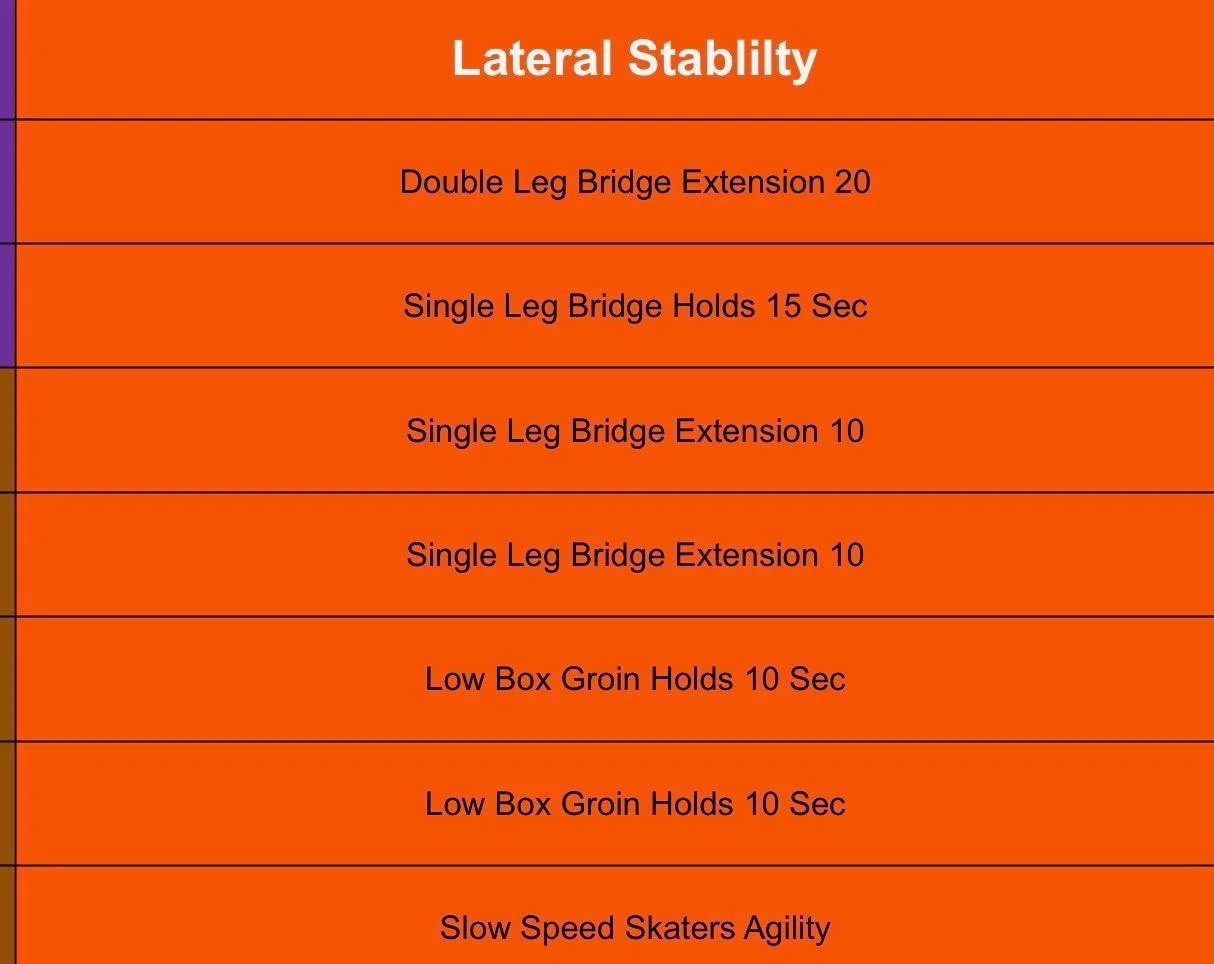
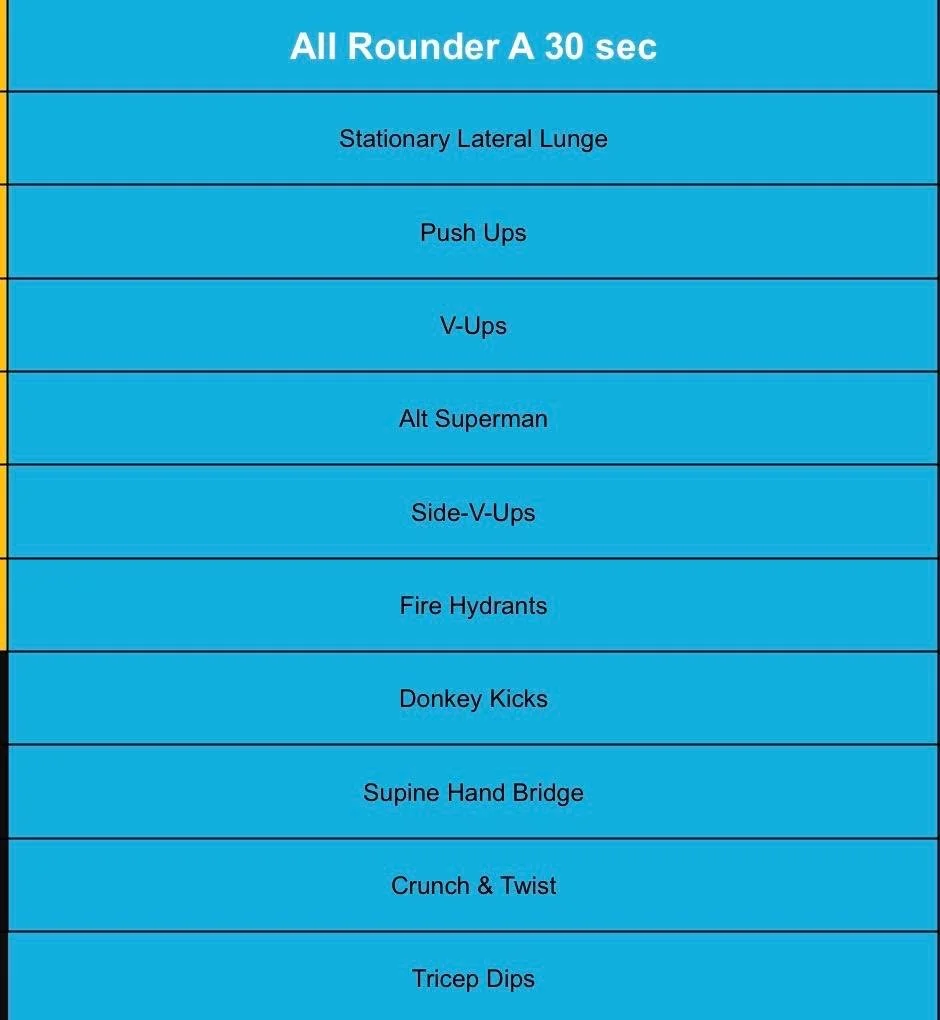
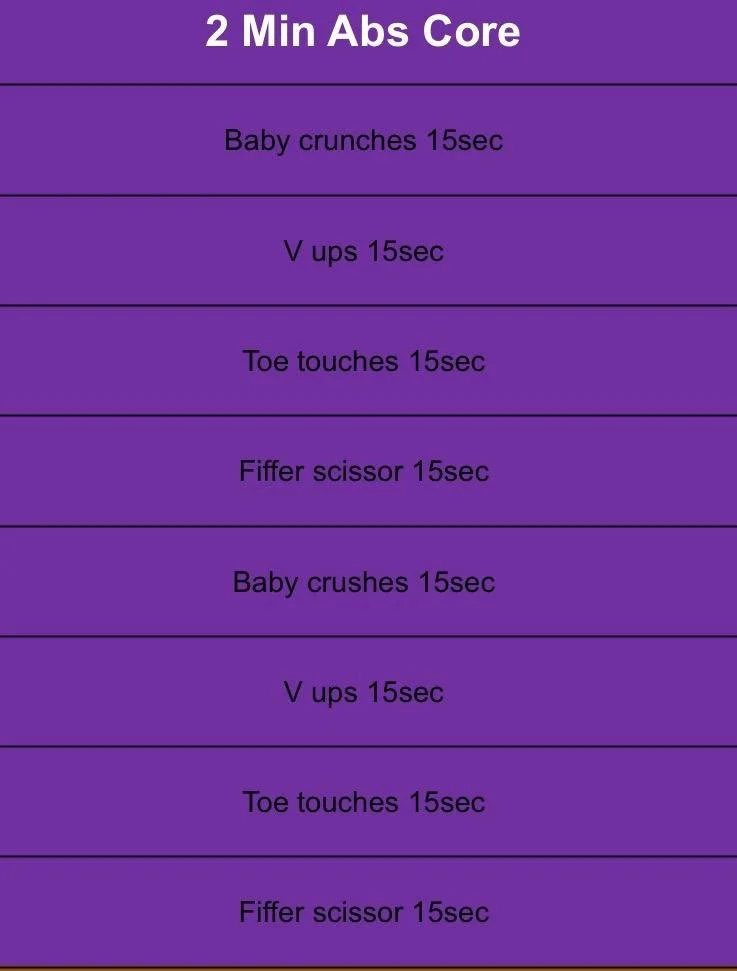
One of the first moments I felt the weight of genuine leadership was when I was trusted to lead the warm-up and drill sequence for the jump group at Rutgers. Standing in front of Division I athletes, some of whom are more experienced than me, and directing the flow of a session is not something you can fake your way through. It demands preparation, presence, and credibility.
My grounding in biomechanics and movement analysis (Learned Outcome #1) gave me the technical foundation to lead with confidence. I knew why each drill existed, which movement pattern it reinforced, and how it connected to the demands of the approach run and takeoff. That knowledge allowed me to not just call out exercises but explain their purpose, which is the difference between a leader who gives orders and one who builds understanding. I learned that leadership in a coaching environment is most effective when the people you are leading trust that you know what you are doing and why.
Leadership Example #3: Leading by Example as a Competitive Athlete
Something that sets me apart as a coaching intern is that I am not just a student of the sport. I am an active competitor. With a personal best of 7.25 meters in the long jump, I bring a perspective into the coaching environment that no classroom or textbook can provide. I know what it feels like to stand at the end of a runway with everything on the line. I know what it feels like when a cue clicks, when a session goes wrong, and when your body is telling you one thing but the program says another. That lived experience shapes every leadership decision I make with the jump group.
When an athlete is frustrated. I draw on my own experience as a jumper to find a different entry point, a reference from my own training that helps the athlete connect with what we are trying to achieve. This connects directly to Learned Outcome #4 (coaching technique), where I described the gap between knowing and communicating. My athletic background closes that gap in a way that pure academic knowledge cannot. It also shapes how I lead in terms of attitude and work ethic. I show up early, I work hard, and I hold myself to the same standards I ask of the athletes I coach. That consistency is its own form of leadership.